Pai Gow tiles carry a quieter rhythm than most casino fare, and the rules reward patience over noise. Players across Western Sydney have been asking how the hand actually ranks, what counts as a valid set, and where the house edge really sits. From a supplier partnership standpoint, the betting layout of typical online versions still borrows heavily from baccarat interfaces – that familiarity matters when operators want a smooth onboarding ramp.
How the 32 Tiles Are Ranked and Paired
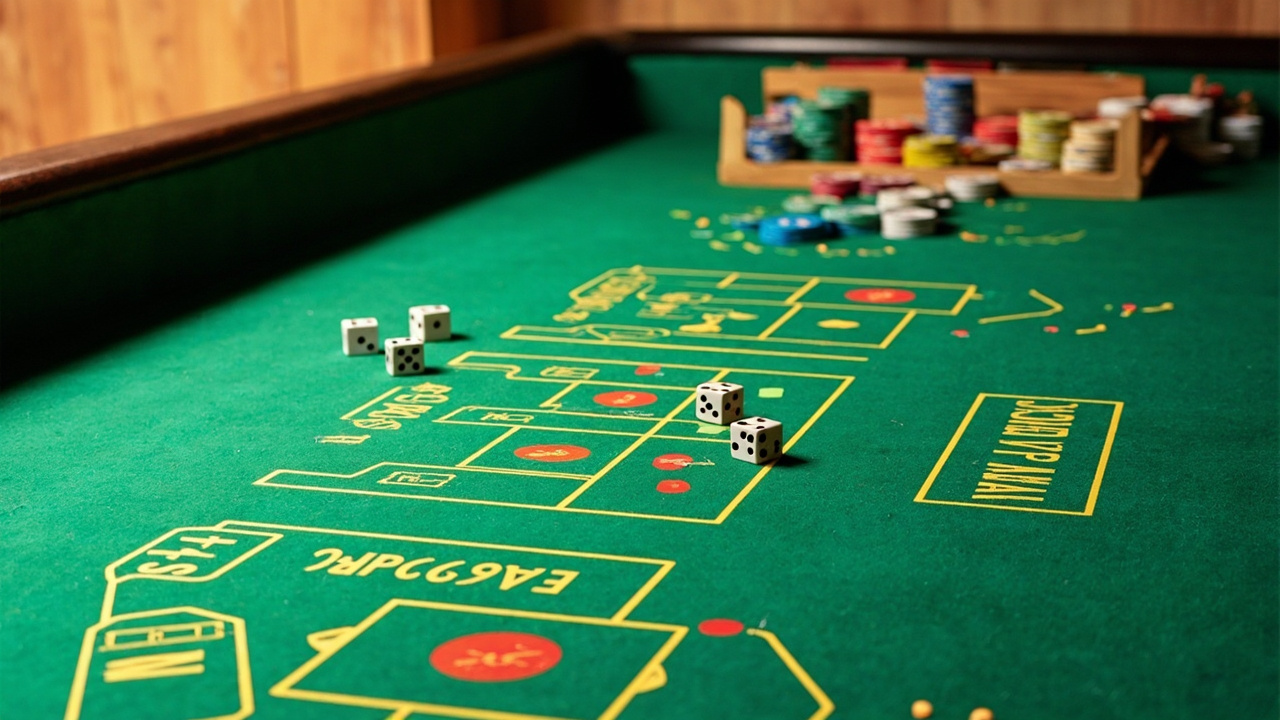
Pai Gow uses a 32-tile set drawn from Chinese dominoes, and ranking happens in two layers. First, the top pairings – Gee Joon tiles, Wong, and Gong – act as fixed hands that beat anything built from individual tiles. After that, regular hands are judged by the higher of the two tiles in play, then by suit, and only finally by the second tile. Reckon the order matters, because a single misread rank flips the result.
The five Gee Joon pairings include the 12-2, 2-12, 8-6, 6-8, and the unique 11-11 combination. Across live dealer lobbies I’ve helped position, rule cards often skip the explanation of how these tiles form a “split” hand. Once a punter grasps that a Gee Joon is essentially a built-in pair, the rest of the value ladder falls into place – and operators see fewer abandoned tables at the learning stage.
Setting the Two Hands Without Forfeiting
After four tiles land, two hands of two tiles each must be arranged: the higher five-card equivalent on top, the lower two-card equivalent on the bottom. The bottom hand must beat the top one, or the entire wager forfeits. This rule trips up newcomers more than any other, and a well-trained cashier staff can defo turn it around with a quick three-minute walkthrough during sign-up.
Most suppliers bury this rule in the help menu when better placement in the tutorial would lift session length meaningfully. For a concrete comparison, the Joker-Joker pair in pai gow poker behaves similarly in concept – except pai gow tiles don’t include jokers at all. Once a player treats every hand as a structural puzzle rather than a guessing game, the lane becomes much wider.
House Way vs Player Way: Why the Dealer Leads
When a player freezes at the layout, the house way algorithm sets the hands automatically. It follows a coded ranking system that mimics the dealer’s own standard placement choices. Georgia Davies, Responsible Gambling Adviser at Harbour Bet Insights, notes that “the house way is a sensible fallback while learning, but relying on it long-term skips the strategic layer that gives pai gow its depth.”
Operators who publish the actual house way chart inside the game window – rather than a separate PDF – see stronger first-week retention in regional markets. Player way exists precisely so the gambler can override the algorithm with their own judgement, and that’s where the edge to look for begins.

Side Bets, Push Frequency, and Playing Pace
Side bets tend to cluster around specific tile pairings or total point outcomes. The push rate on the main hand runs near 41.5 percent in standard play, which sounds deflating until you realise each push returns the stake whole. A busy arvo session can stretch longer than expected simply because stalemates keep stacks intact.
Conversion-focused lobbies position pai gow alongside baccarat and dragon tiger to capture the same low-volatility crossover crowd. Suppliers should defo avoid stacking high-volatility slots into that same cluster or the rhythm gets muddied. The game rewards a measured tempo, and the lobby presentation should reflect that.
Operators looking to differentiate the floor without breaking the low-volatility flow can experiment by rotating a plinko game variant behind the pai gow banks, and the easiest starting point is grabbing a reference unit from https://plinko-machine-au.com/ before committing to a full bank. Placement should keep the drop arc visible from the baccarat pit, but far enough that it does not bleed dealer tempo. When tuned right, the three formats read as a single steady wagering zone rather than three separate attractions.
Pai Gow suits players who enjoy structured decision-making and don’t mind slower rounds, and the rules explained above give anyone the grounding needed to sit down with confidence on the very next session. Jackpot Slot Rules Explained For Clearer